

The Mental Game Matters.
Train for the Moments That Matter Most.
Work with the mental side of performance — from managing pressure and building confidence to overcoming setbacks, quieting self-doubt, and performing at your best when it matters most.
Interested in learning more? Fill out the form below and we will be in touch!
Sport & Performance Psychology
Success in sport requires more than physical ability, technical skill, and hours of training.
The mental demands of competition — managing pressure, maintaining confidence, navigating setbacks, and staying focused in high-stakes moments — can be just as influential.
At InPractice Psychology, we work with athletes at all levels, from developing young athletes to elite and Olympic competitors, to strengthen the psychological skills that support performance and overall well-being.
Through individualized, evidence-based psychological support, we help athletes navigate the mental challenges of sport, build resilience, and develop a healthier, more sustainable relationship with competition.
Take the first step toward achieving your winning mindset today.

What athletes do with us
A Personalized Approach to the Mental Game
Every athlete is different. The mental challenges that arise in sport are often connected to an athlete's individual temperament, experiences, expectations, and the pressures they face both on and off the field.
Our work is tailored to each athlete's needs and may include:
Developing routines to manage nerves and prepare mentally for competition
Learning to recognize and shift patterns of overthinking and self-criticism
Strengthening confidence, focus, and emotional regulation
Developing strategies to respond to mistakes and setbacks
Exploring the relationship between performance, perfectionism, and self-worth
Building sustainable motivation and managing the emotional demands of competitive sport
Our goal is not simply to help athletes perform better, but to help them develop the psychological skills to navigate the demands of sport while maintaining their well-being.
What athletes come to us for
The Mental Challenges Behind Performance
Athletes may seek psychological support for a variety of challenges, whether they are working to overcome a specific obstacle or looking to take their performance to the next level.
Performance Anxiety & Pressure — Managing nerves, overthinking, fear of failure, and the pressure to perform.
Confidence & Self-Doubt — Developing confidence, trusting your preparation, and navigating periods of uncertainty.
Perfectionism & Fear of Mistakes — Letting go of unrealistic expectations, self-criticism, and the need to perform flawlessly.
Focus & Mental Consistency — Staying present, managing distractions, and recovering mentally after mistakes.
Injury & Setbacks — Navigating injury, rehabilitation, loss of confidence, and returning to competition.
Motivation & Burnout — Working through plateaus, loss of motivation, exhaustion, and the demands of competitive sport.
Transitions & Identity — Navigating changes in level of competition, recruitment, retirement, or life beyond athletics.
Balancing Sport & Life — Managing the pressures of athletics alongside school, relationships, family, and personal well-being.
Supporting the Parents Behind the Athlete
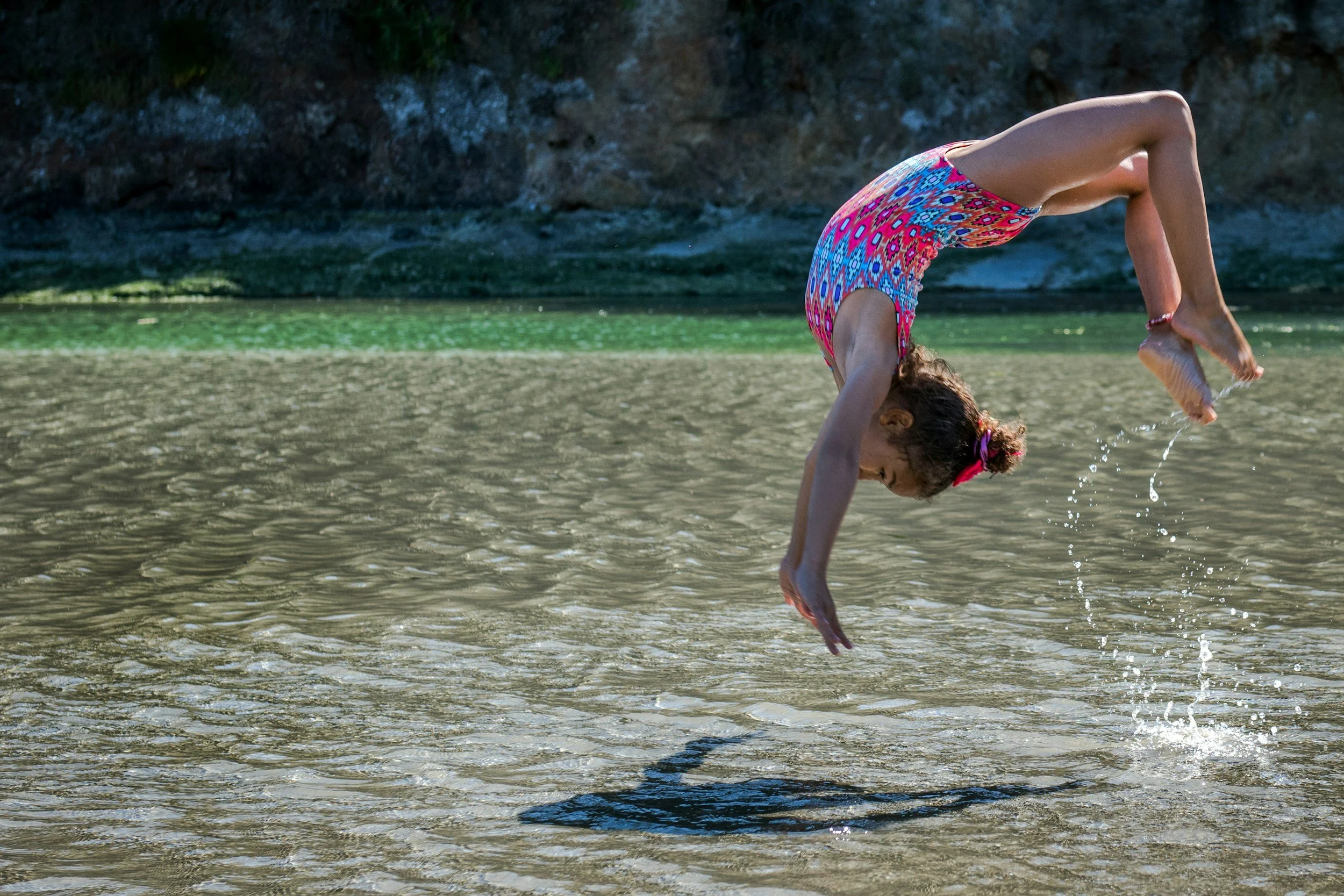
Supporting a young athlete can be rewarding, but it can also bring its own challenges. Parents often struggle to know how to encourage their child, respond after a disappointing performance, manage their own anxiety, or balance supporting athletic goals with protecting their child's well-being.
We work with parents to help them:
Support their child without adding unnecessary pressure
Navigate conversations about performance, disappointment, and motivation
Manage their own emotions around competition and outcomes
Encourage confidence, independence, and resilience
Keep athletics in perspective while honoring their child's goals and ambitions

Working With Coaches, Teams & Athletic Organizations
The mental and emotional culture of a team can have a powerful impact on both performance and well-being. We collaborate with coaches, teams, and athletic organizations through workshops, presentations, and consultation focused on the psychological aspects of performance and athlete development.
Topics may include:
Building confidence and resilience
Motivation and team dynamics
Managing pressure and emotions
Communication and leadership
Responding constructively to mistakes
Supporting athlete mental health and development
Who This Is For:
Sports coaches looking to improve team dynamics and performance.
Educators and mentors seeking psychology-informed tools to guide students.
Managers and team leaders aiming to enhance group productivity and morale.
Anyone interested in applying psychological principles to improve their coaching style.
Our workshops and seminars are tailored to your group’s needs, ensuring practical takeaways that can be implemented immediately in real-world scenarios.
Beyond Performance
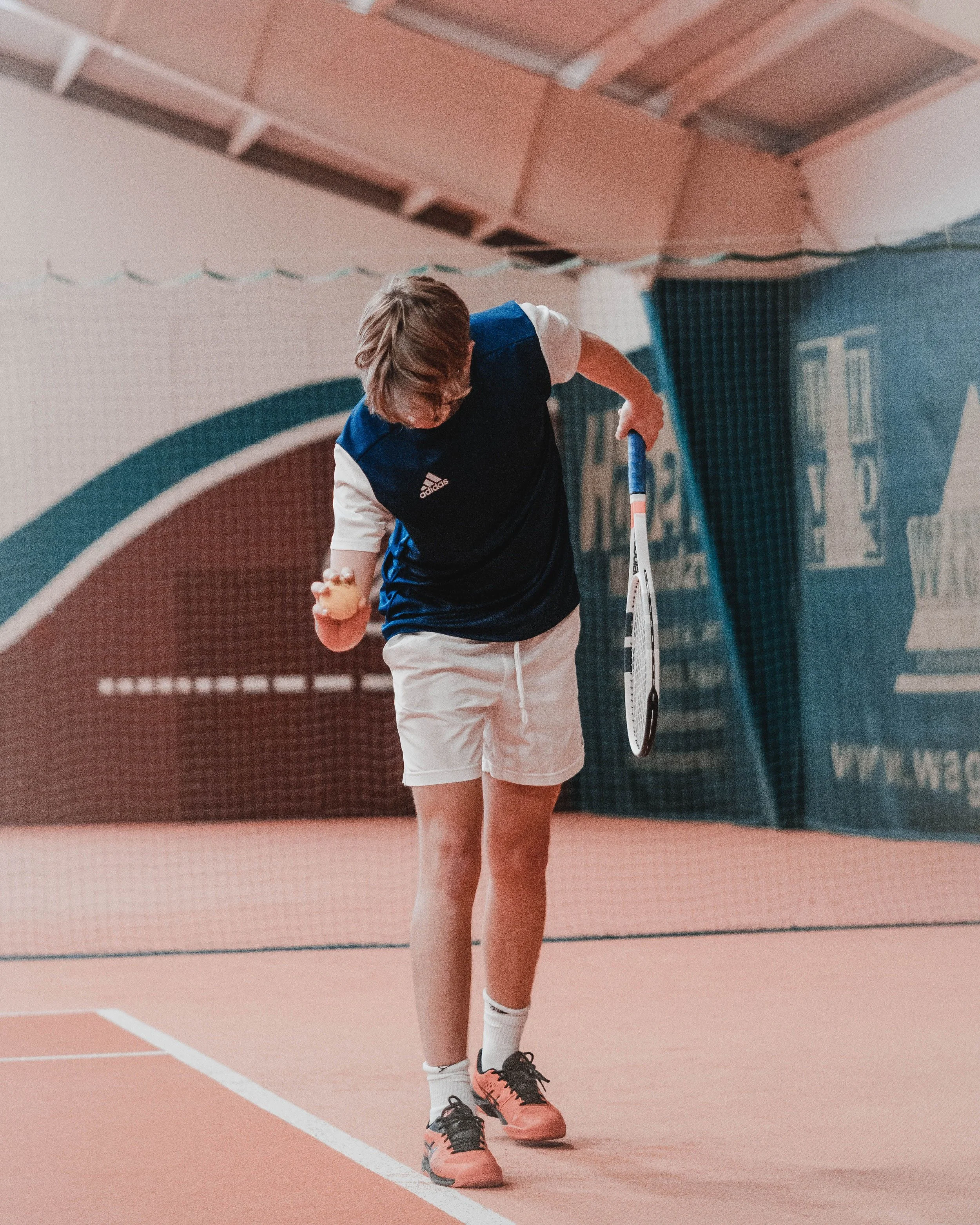
Athletes are more than their performance. The drive to excel can coexist with anxiety, perfectionism, self-doubt, and the pressures of competition. We believe supporting the whole athlete — psychologically, emotionally, and personally — is essential to helping them thrive, both in sport and beyond it.
Stronger Mind. Better Results.
Contact us today to learn about rates and scheduling.

InPractice Psychology has teamed up with Tim Morehouse Fencing Club (TMFC) to enhance athlete development. This collaboration offers workshops, individual consultations, and group sessions aimed at improving mental performance. The initiative supports athletes in managing stress and enhancing focus, guides parents in fostering resilience and confidence in their children, and empowers coaches to integrate mental strategies into training.
Worksheets


